
The context for (un)employability among women graduates of Ethiopian higher education institutions
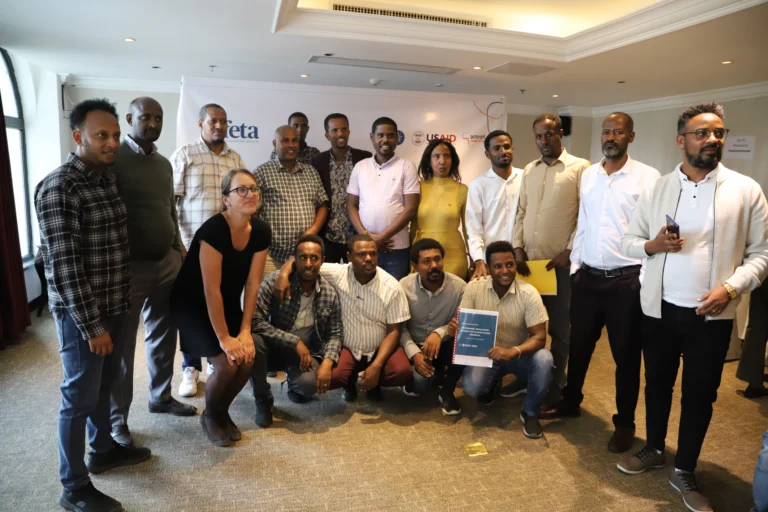
In March 2026, Studies in Higher Education published a new study co-authored by Alliance collaborators Dr. Meseret F. Hailu (University of Georgia), Dr. Molly Ott (Arizona State University), Dr. Abebaw Yirga Adamu (Addis Ababa University), Dr. Atota Halkiyo (Florida International University), Temesgen Leta Bikila (Arizona State University), and Yeabsira Bogale Bishaw (Arizona State University). The research was conducted with support from USAID’s Kefeta project, the same initiative that helped establish the Alliance.
The study investigated why women graduates of Ethiopian universities and polytechnic colleges face disproportionate challenges in the labor market. After synthesizing data from 13 universities and 13 TVE, the authors identified three interconnected barriers.
First, deeply rooted cultural expectations continue to shape how Ethiopian families, communities, and institutions view women’s roles. The study found that male students were significantly more likely than their female peers to hold traditional views about gender, such as the belief that women should bear primary responsibility for domestic duties while men make financial decisions. When men constitute the majority of enrollments at Ethiopian universities and TVETs, these attitudes carry outsized influence on campus culture. Yet the research also revealed that women who do reach higher education are equally invested in their studies and equally ambitious about finding employment or starting a business after graduation. The gap is not in female students’ aspirations: it is in the systems and norms surrounding them.
Second, and of particular relevance to Alliance members, the study documented a significant gender gap in students’ access to campus career support services. Only 43% of female students were even aware that their institution offered career services, compared to 53% of males. Just 19% of femaeles had ever received a service from their career center, versus 38% of men. Women were also significantly less likely to have discussed career plans with a counselor, participated in career development training, received CV/resume assistance, or learned about internship opportunities. These findings speak directly to the work of every Career Center in our Alliance and reinforce why MOE’s directive that career services must be inclusive in terms of gender remains an unfinished mandate.
Third, the study examined employer practices and found that while most organizations (69%) report not considering gender in hiring, the proportion of women in a company’s workforce was most strongly predicted by whether the organization explicitly prioritized hiring women in practice, not by the existence of formal equity policies or general commitments to inclusion. In other words, stated policies alone are not enough; what matters is whether an organizational culture actively values women’s participation. The study also confirmed that certain sectors, particularly manufacturing, construction, and logging, employ comparatively fewer women, while the hotel and restaurant industry employs more, reflecting longstanding occupational gender segregation in the Ethiopian economy.
These findings carry direct implications for the Alliance’s work. Career centers can take intentional steps to reach women students through targeted outreach, dedicated programming, and partnerships with Gender and Special Needs directorates on campus. The study also highlights the importance of building stronger connections between career centers and employers who are committed to gender-equitable hiring. Finally, the research underscores that students themselves, especially women, should be meaningfully included in shaping the policies and strategies that affect their transition from education to employment.
The full study is available below for download. We encourage Alliance members (career center staff, academic leaders, faculty, and students alike) to read and discuss the findings as we continue working together to ensure that every graduate, regardless of gender, can transition from learning to earning with purpose and dignity.