
University-Industry Linkage in Ethiopia: Practices, Challenges, and Prospects from a University Perspective
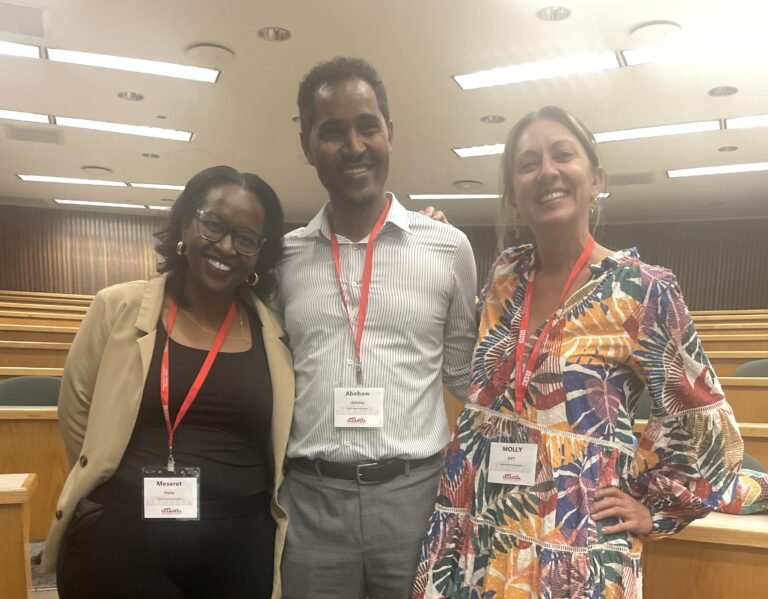
A new study by Alliance collaborators, Dr. Abebaw Yirga Adamu (Addis Ababa University), Dr. Molly Ott (Arizona State University), and Dr. Meseret F. Hailu (University of Georgia), has been published in the Ethiopian Journal of Behavioral Studies. The research examines how Ethiopian public universities experience and navigate partnerships with the private sector and was conducted with support from USAID Ethiopia’s Integrated Youth Activity and its Kefeta consortium.
The results offer candid insight into where University-Industry Linkages (UIL) stand in Ethiopia today. While policies promoting higher education collaboration with the private sector have multiplied in recent years, actual implementation remains weak. UIL offices at universities are typically under resourced, with limited staff, budgets, and institutional authority. On the industry side, most companies operate without formal research and development units and tend to view university partnerships as a burden rather than a benefit. The federal government has issued promising directives, but not yet effectively monitored or enforced UIL activities. The result is a system in which partnerships are pursued voluntarily and haphazardly, rather than through a coordinated national effort.
A central finding of the study, and one with direct relevance to the Alliance’s career center professionals, is that student internships are currently the primary form of university-industry engagement across Ethiopia. Although internships are mandatory for many academic programs, many industries are reluctant to accept students. The challenge is compounded in cities where the number of available industries is limited relative to the growing student population. This is a reality that many Alliance members experience firsthand as they work to connect their students with meaningful work-based learning opportunities.
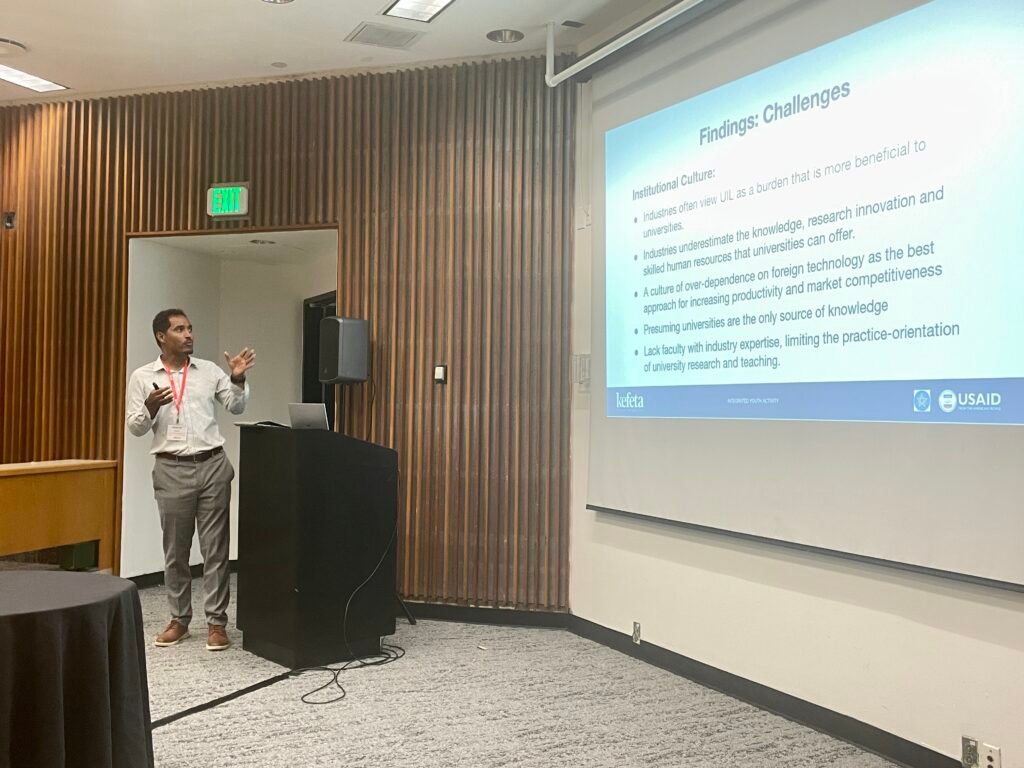
The study also highlights cultural barriers that limit effective collaboration. Universities and industries, the researchers found, tend to undervalue one another. Universities sometimes assume they are the primary source of knowledge, while industries question whether universities can deliver practical solutions. Most Ethiopian faculty lack direct industry experience, which limits their ability to identify partnership opportunities, conduct applied research, or teach with the practice oriented approaches that employers expect. At the same time, the study notes that the recent endorsement of the HERTIL Proclamation represents a significant step forward, even though its impact remains to be seen.
These findings reinforce a message central to the Alliance’s mission: building stronger bridges between the world of study and the world of work requires coordinated, sustained collaboration, not just between individual institutions and companies, but among career centers, university leadership, government, and industry together. As Alliance members continue to strengthen career services and advocate for institutional support, this research provides evidence to inform those discussions. The study’s authors encourage government, industry, and higher education stakeholders to approach UIL as a shared investment in Ethiopia’s economic future and its youth.
The full study is available below for download.